
Swim camp gives kids focused coaching, daily practice and time in the water with other young swimmers, which can build technique, fitness and confidence over a few days or a week. A good swim camp matches your child’s current swimming skill and has trained coaches, lifeguards and clear safety rules.
This guide covers what kids get out of swim camp, the main types of camps, how to tell whether your child is ready and the questions to ask before you sign up.
What are the benefits of swim camp?
 Swim camp packs a lot of coached practice into a short time. The main benefits for kids are:
- Better technique: Coaches can watch each swimmer’s strokes, starts and turns every day and correct small habits before they become hard to change.
- Fitness: Swimming counts toward the daily activity kids need. The CDC recommends that children and teens ages 6 to 17 get at least 60 minutes of moderate-to-vigorous physical activity every day (CDC, 2025).
- Water skills and confidence: The American Red Cross describes water competency as three parts: water smarts, swimming skills and helping others, including being able to swim at least 25 yards (American Red Cross). Camp practice builds the swimming skills part.
- Friends and independence: Kids train with swimmers their age, and overnight camps give older kids a supervised first experience away from home.
- Motivation for the season ahead: Many swim camps run on college campuses in summer, so young swimmers train in competition pools and meet college coaches and athletes.
What types of swim camps are there?
Swim camps come in several formats, so families can pick one that fits a child’s age, skill and schedule:
- Day camps and half-day camps: Kids go home each night. These work well for younger swimmers and first-time campers.
- Overnight camps: Housing and meals are included, often in college dorms. These suit older, more experienced swimmers.
- Short clinics: One- or two-day sessions that focus on one skill, such as starts and turns or a single stroke.
- Competitive training camps: Longer, harder practices for club and high school swimmers.
- Related water sports: Many programs also run diving, water polo and masters (adult) camps.
For example, Nike Swim Camps, run by US Sports Camps, list overnight camps, full-day and half-day camps, extended day camps and short clinics, and say most of their camps accept athletes ages 6 to 18 (US Sports Camps). Check each camp’s own page for current dates, ages and prices.
Is my child ready for swim camp?
Most swim camps are for children who can already swim, not for first lessons. Ask each camp what skills a camper needs on day one, such as swimming a full length of the pool without stopping.
If your child is still learning, start with swim lessons. The American Academy of Pediatrics says swim lessons can begin for many children starting at age 1 and that most children are ready for lessons by their 4th birthday. The AAP also reminds parents that swim lessons do not make kids “drown proof”; they are one of several layers of protection (AAP, HealthyChildren.org, 2026). Our 10 tips for teaching your children to swim can help at home.
How do you choose a good swim camp?
A good swim camp is safe, well staffed and matched to your child’s level. Before you sign up, check these points:
- Accreditation: Ask whether the camp is accredited by the American Camp Association (ACA). ACA standards focus on health, safety and risk management, and they require a staff screening system that includes an annual criminal background check on all seasonal staff. If a camp is not accredited, the ACA suggests asking why not (American Camp Association).
- Coach credentials: Ask whether coaches are USA Swimming members. USA Swimming requires adult members, including coaches, to complete an approved criminal background check, and all coaches must be educated in USA Swimming’s policies (USA Swimming Safe Sport).
- Lifeguards and supervision: Ask how many lifeguards are on duty during each session and what the coach-to-swimmer and staff-to-camper ratios are. The Red Cross advises swimming only with lifeguards or water watchers present.
- Fit for your child: Ask about the daily schedule, hours in the water, group sizes by age and skill, and whether practices are split by ability.
- Health and medical care: Ask who handles first aid, how the camp manages medications such as an asthma inhaler and how it contacts parents.
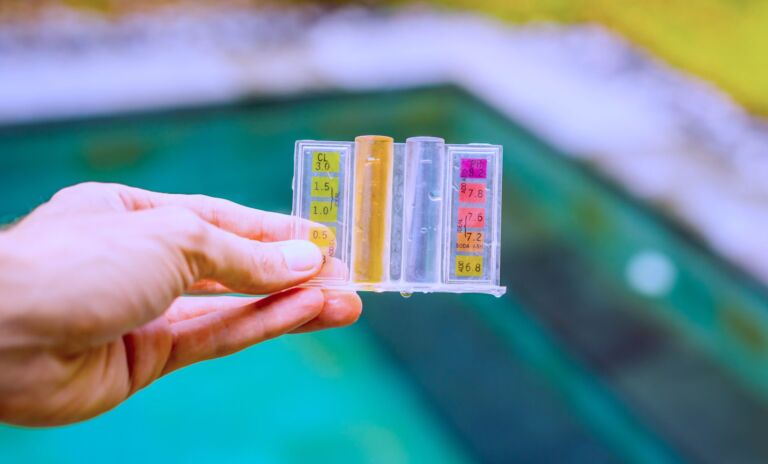
- Pool water care: Ask how often staff test the pool. The CDC tells public pool operators to check the disinfectant level and pH at least twice per day, and more often when the pool is busy (CDC, 2025).
Where can you find a swim camp near you?
To find a current swim camp, start with these sources:
- College and university athletic department websites, since many schools host summer swim camps on campus
- Camp operators such as US Sports Camps, which lists Nike Swim Camps by state
- Local USA Swimming clubs, which often run summer clinics (USA Swimming’s Find-a-Team tool shows clubs that are Safe Sport Recognized)
- Your local parks and recreation department or YMCA
Sign up early, since popular camps can fill up before summer.
What should kids pack for swim camp?
A simple packing list helps kids focus on swimming:
- Two or three swimsuits, goggles (plus a spare pair) and a swim cap
- Towels, flip-flops and a refillable water bottle
- Water-resistant sunscreen and a hat for outdoor pools (see our guide to protecting your skin when swimming outside)
- Any medications, with written instructions for camp staff
- Shampoo and moisturizer for after practice (our after-swim essentials explain why)
Frequently asked questions
What age is swim camp for?
Many swim camps are for school-age children and teens. Nike Swim Camps, for example, say most of their camps accept athletes ages 6 to 18. Younger children who are still learning to swim usually do better in swim lessons first.
Does my child need to know how to swim before going to swim camp?
Most swim camps expect campers to swim on their own already, because the focus is on technique and training. Ask the camp what skills a camper needs on the first day. If your child is not there yet, swim lessons are the better first step.
How do I know if a swim camp is safe?
Check whether the camp is accredited by the American Camp Association, which requires annual criminal background checks on seasonal staff. Ask whether coaches are USA Swimming members, how many lifeguards are on duty and how the camp handles first aid and medications.
How long does swim camp last?
Swim camps range from one-day clinics to week-long day or overnight camps. Day camps suit younger and first-time campers, and overnight camps suit older, more experienced swimmers. Check each camp’s schedule for the hours spent in the water each day.
Want easier water care for swimming practice at home? See Clear Comfort’s low-chlorine systems for home pools.