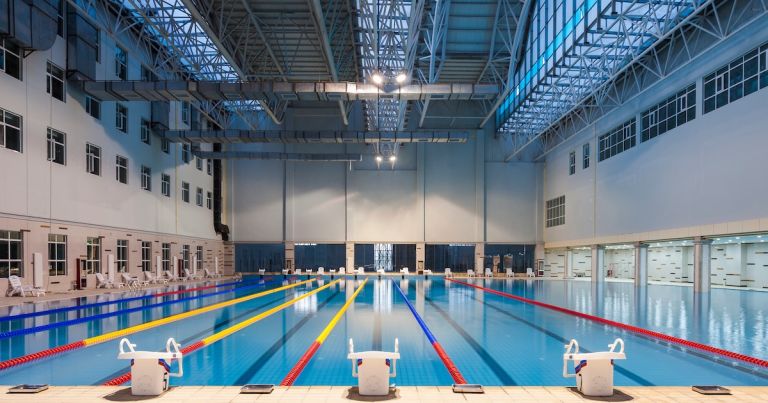


 An eco-friendly pool uses less electricity, less water and fewer chemicals without giving up clear, comfortable water. The biggest gains come from a variable-speed pump, a pool cover, solar heating and a sanitation system that lets you run lower chlorine, followed by fixing leaks and keeping your water balanced.
Most of these upgrades also lower your monthly costs, so the greener choice is usually the cheaper one over the life of the pool. Here is what each step does and what it can save.
1. Switch to a variable-speed pump
Your pump is usually the biggest energy user in your pool system. Older single-speed pumps run at full power every time they turn on, even though filtering water rarely needs it. A variable-speed pump runs slower for longer, which moves the same water with far less electricity.
According to ENERGY STAR, certified variable-speed pool pumps use about 60% less energy than single-speed models and can save up to $210 a year in energy costs when they replace one. Program the pump to run at low speed for daily filtration and at higher speeds only for tasks like vacuuming or running a spa spillover.
2. Cover your pool when you are not using it
A pool cover is the cheapest upgrade on this list and one of the most effective. The U.S. Department of Energy reports that covering a pool when it is not in use can:
- Cut pool heating costs by 50% to 70%
- Reduce the makeup water you need to add by 30% to 50%
- Reduce chemical use by 35% to 60%
The Department of Energy calls evaporation “by far the largest source of energy loss” for pools, so a cover saves on heat, water and chemicals at once. For help choosing one, see our guide to the best swimming pool covers.
3. Heat with the sun
If you heat your pool, solar is the lowest-impact way to do it. A solar pool heater pumps pool water through collectors, usually on a roof, where the sun warms it before it returns to the pool.
The Department of Energy puts the installed cost of a typical system at $2,500 to $4,000, with a payback of 1 to 7 years depending on local fuel costs and sunshine. Collectors should cover roughly 50% to 100% of your pool’s surface area, and a well-maintained system runs for 10 to 20 years. Pairing solar heat with a cover lets you get by with a smaller collector area. For more options, read our guide to heating a pool with or without a heater.
4. Run lower chlorine with AOP sanitation
Every pool needs a sanitizer residual to stay safe, but how much chlorine you need depends on what else is treating the water. A chlorine-only pool typically runs around 3 to 5 ppm of free chlorine. Adding a supplemental system lets the pool run at a lower level and still stay clean.
Clear Comfort’s hydroxyl-based advanced oxidation process (AOP) creates hydroxyl radicals in your pool’s plumbing that break down contaminants as water circulates. With AOP, the typical free chlorine residual drops to about 0.5 to 1.5 ppm, as explained in our beginner’s guide to pool chlorine. Lower chlorine means buying, storing and handling less product. It also means fewer chloramines, the compounds the CDC says irritate skin, eyes and airways. Our CCW100 and CCW50 residential systems are certified to NSF/ANSI 50. See the home pool systems to compare sizes.
5. Find and fix leaks
A leaking pool wastes water every day, and every gallon you replace has to be heated, balanced and sanitized again. Watch for a water level that drops faster than normal evaporation, wet spots in the yard, cracks in the deck or shell, and an auto-fill that runs constantly. Our pool leak detection guide walks through the bucket test and other checks you can do yourself.
6. Keep your water balanced
Water that drifts out of balance leads to cloudy water, scale and algae, and each fix usually means adding more product. Testing a few times a week and making small adjustments uses less chemistry than correcting a problem after it shows up. Keeping pH in range also helps chlorine work efficiently, so you need less of it. Our guide to balancing pool pH covers the target ranges.
Frequently asked questions
What is the most eco-friendly way to sanitize a pool?
Pairing a low chlorine residual with a supplemental system such as hydroxyl-based AOP reduces how much chlorine you buy and handle. Pools still need some sanitizer residual, so the goal is less chemistry rather than none.
Do variable-speed pool pumps save money?
Yes. ENERGY STAR estimates certified variable-speed pumps use about 60% less energy than single-speed pumps and can save up to $210 a year.
How much does a pool cover save?
The Department of Energy says covering a pool when it is not in use can cut heating costs by 50% to 70%, makeup water by 30% to 50%, and chemical use by 35% to 60%.
Is a salt water pool more eco-friendly?
Salt water pools still use chlorine. A salt cell makes it from dissolved salt instead of you adding it by hand. Our salt water pool guide covers the trade-offs.
Ready to run your pool on less chlorine? Find a Clear Comfort dealer near you.