

The Corpus Christi water challenge is about more than drought. It’s about how a growing coastal city, a strong industrial base, a tourism economy, and residents can share limited water more responsibly.
This doesn’t have to be residents against industry, or growth against conservation. It can be a better story: a community, its businesses, its industrial leaders, and its city working around one shared truth. Water matters to everyone.
Why Corpus Christi Is Facing a Water Challenge
Corpus Christi is a working city and a coastal destination. It’s a port city, an energy hub, an industrial center, and a tourism draw built around fishing, hospitality, and growth. That mix is what makes the city unique, and it’s also what makes reliable water so important.
The city’s Water Supply Dashboard tracks reservoir levels daily and outlines the drought stages currently in effect. When water becomes limited, the impact doesn’t land on one group. It touches families, businesses, visitors, and future development.
That pressure is only getting more complex as new high-demand industries, including AI and data-center infrastructure, look to expand across South Texas.
Why Sustainability and Environmental Health and Safety Leaders Should Care
Sustainability and EHS leaders are often the ones asked to lead the water conversation inside industrial companies. They own water reduction goals, ESG reporting, discharge concerns, and community impact.
But the biggest water savings are found in the systems that use water every day:
- Cooling towers
- Process water systems
- Boilers
- Washdown and wastewater systems
- Reuse streams and utility infrastructure
These systems aren’t always owned by sustainability teams, but the results tie directly back to them. That’s why solving the water challenge takes EHS, utilities, maintenance, operations, and plant leadership working together, not sustainability working alone.
Why This Matters to Industrial Leadership
For industrial leaders, water is no longer just a utility line item. It’s tied to uptime, discharge permits, expansion planning, community trust, and long-term operating risk. Water belongs at the executive table next to energy, labor, logistics, and capital planning.
The industries in and around Corpus Christi provide jobs, a tax base, and economic stability well beyond the city limits. That matters and shouldn’t be minimized. But with that importance comes responsibility.
In a water-stressed region, the best-run plants won’t be the ones that use the most water. They’ll be the ones that get the most production out of every gallon. A facility that cuts water waste isn’t just helping the city. It’s protecting its own operation.
How Technology Can Reduce Industrial Water Use
Waiting for restrictions or permit pressure to force change isn’t leadership. Finding better tools before the problem gets worse is.
The right technology can help facilities:
- Reduce blowdown and lower makeup water demand
- Improve system cleanliness and heat transfer
- Cut chemical dependency
- Support reuse strategies
- Document measurable water savings
Industrial teams should audit their largest water-consuming systems now, find where water is being lost, and evaluate technologies that improve reliability while cutting waste.
Cooling Towers: The Biggest Opportunity Hiding in Plain Sight
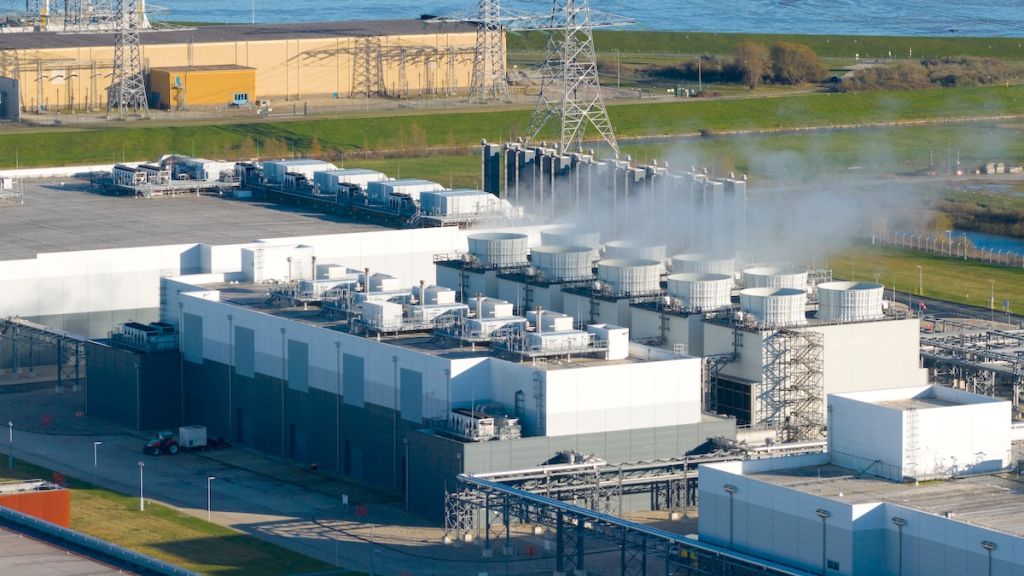
Cooling towers can be some of the largest water users at an industrial site. Some water loss is unavoidable, since evaporation is how cooling towers reject heat. But a lot of it isn’t.
Poor control, low cycles of concentration, excessive blowdown, fouled heat exchangers, overfed chemicals, leaks, and dirty systems all drive up water use. When water is cheap, these inefficiencies get overlooked. When water is scarce, they become a business risk.
EPA WaterSense Best Management Practices notes that single-pass cooling can use roughly 40 times more water than a cooling tower operating at five cycles of concentration for the same heat load, highlighting the water savings possible through more efficient cooling practices.
How Water Scarcity Affects Residents and Tourism
For residents, conservation shows up fast: lawn restrictions, outdoor watering limits, and questions about whether the region has enough water for the years ahead. Residents have a role to play, but they don’t carry the burden alone.
Tourism depends on confidence in the community. Visitors come to Corpus Christi for the coast, the beaches, the fishing, and the restaurants. A strong water strategy protects that identity. Conservation isn’t just about cutting back. It’s about keeping Corpus Christi a place people want to live, work, visit, and invest in.
The Path Forward: Shared Water Discipline
Every gallon has more than one owner. A gallon saved by a resident matters. A gallon saved by a plant matters. A gallon reused instead of wasted matters.
Acting early matters too. Facilities that wait until restrictions tighten will have fewer options and less flexibility. Facilities that act now can reduce water use on their own terms and show the community they’re part of the solution.
This is the positive path: not less industry, but better industry. Not conservation as punishment, but conservation as shared discipline. Corpus Christi doesn’t have to choose between protecting families, jobs, visitors, and the economy. With the right approach, it can do all of it.
Sustainability managers may lead the charge, but operations makes it happen. When sustainability, EHS, utilities, and plant leadership pull in the same direction, Corpus Christi can protect its water, its economy, and its coastal identity.
See What Your Cooling Towers Could Save
Estimate your potential water, chemical and operating cost savings with Clear Comfort.
Frequently Asked Questions
Is Corpus Christi’s water challenge only a residential issue?
No. Residents are affected directly, but water is also tied to tourism, local businesses, industry, jobs, and the long-term strength of the region.
Who leads water conservation inside industrial companies?
Sustainability managers and EHS leaders often lead the charge, but they need operations, utilities, maintenance, and plant leadership involved. Sustainability may own the goal. Operations usually owns the systems where the biggest savings happen.
How can industry help conserve water?
By reducing waste in large water-consuming systems: improving cooling tower operation, reducing blowdown, increasing safe cycles of concentration, improving filtration, and tracking water use more closely.
Why are cooling towers important in water conservation?
They can be one of the largest water users at an industrial facility. Better management reduces makeup water, wastewater discharge, chemical use, and operating risk.
Can technology help industrial facilities reduce water use?
Yes. The right technology improves system control, reduces blowdown, cuts chemical dependency, improves heat transfer, and documents measurable savings.
Can Corpus Christi support growth and conserve water at the same time?
Yes, but growth has to be smarter. The city can protect residents, tourism, jobs, and industrial activity by combining conservation, supply planning, reuse, and better technology.

Doug White
VP of Business Development