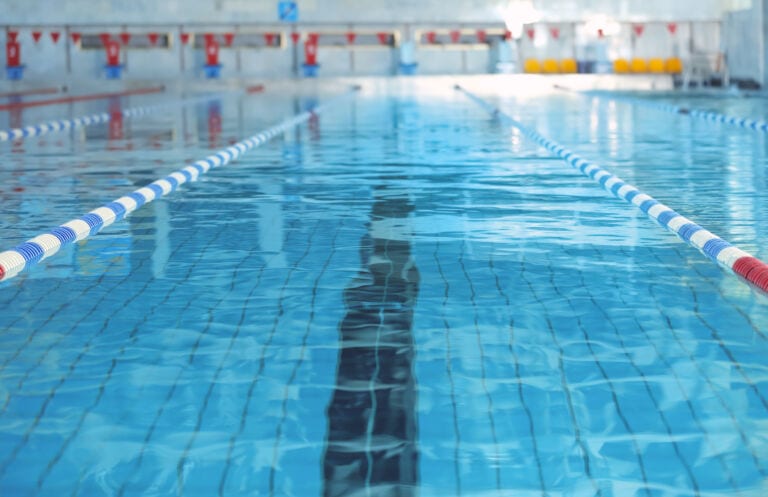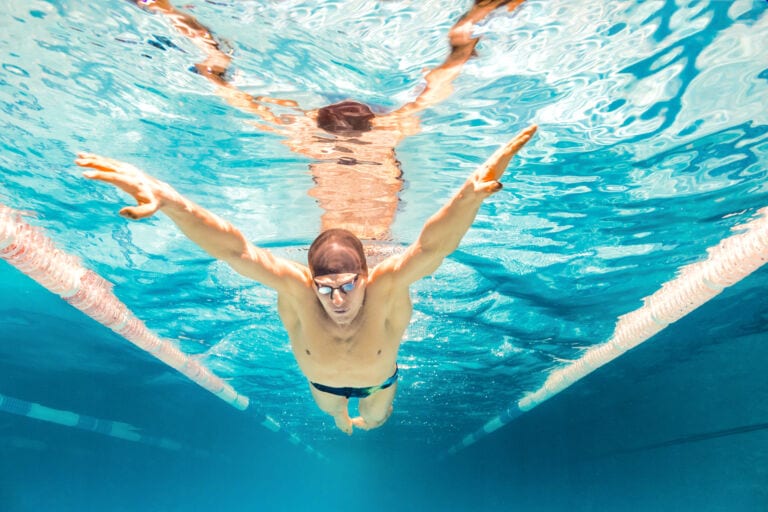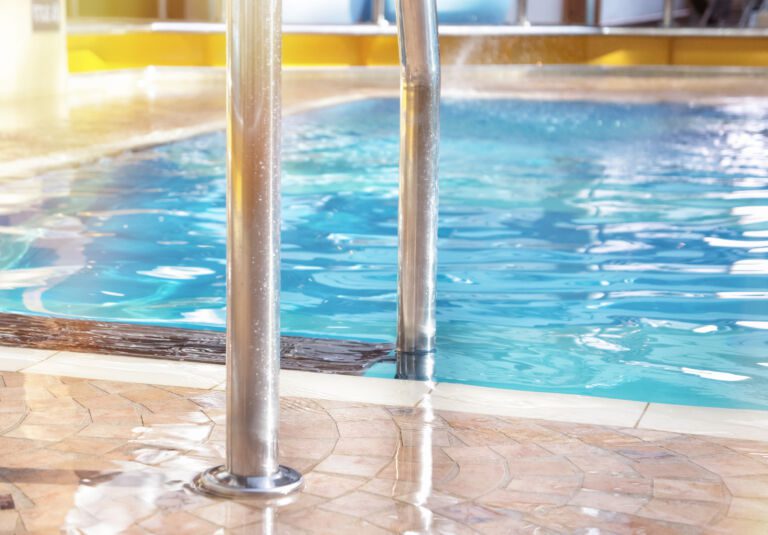

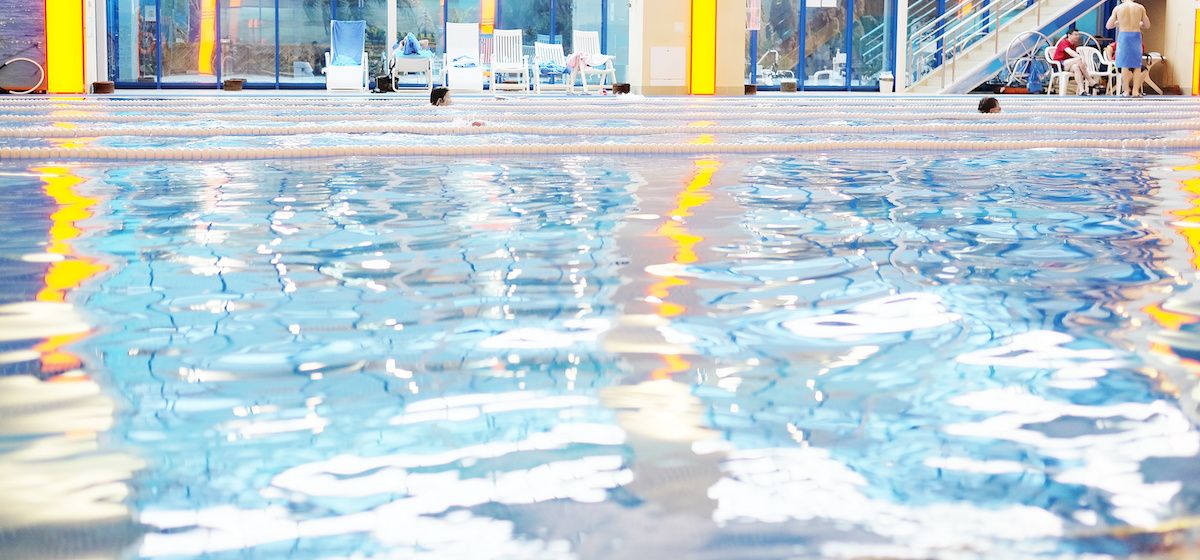
Before you get into a public pool, CDC recommends four quick checks: look up the pool’s latest inspection results, make sure you can see the drain at the bottom of the deep end, check for a lifeguard (or a rescue ring or pole if there is none), and make sure no pool chemicals are out in the open (CDC, Preventing Swimming-related Illnesses, 2025). Pool test strips add a fifth check: they show whether free chlorine or bromine and pH are in the right range.
What should you check before swimming in a public pool?
- Inspection results. Find the latest inspection score on your state or local health department’s website or posted at the pool.
- The drain. You should be able to see the drain at the bottom of the deep end, and drain covers should look secure. Cloudy water that hides the drain is a warning sign.
- Lifeguards. Check that a lifeguard is on duty. If there is none, look for safety equipment such as a rescue ring or pole.
- Chemical storage. Pool chemicals should be stored and locked away where swimmers cannot reach them.
- Water levels. If you have test strips, check free chlorine or bromine and pH before you get in (see the table below).
These checks come from CDC’s healthy swimming guidance (CDC, 2025). If something looks wrong, tell the pool staff before you or your children swim.
How do you test pool water with test strips?
 Pool and hot tub test strips show free chlorine (or bromine) and pH. CDC notes that hot tubs and pools with good disinfectant and pH control are less likely to spread germs (CDC, Pool and Hot Tub Test Strips, 2022). Dip the strip in the water, wait the time on the package, then compare the colors to the chart.
CDC recommends these levels:
| Measure | Pools | Hot tubs |
|---|---|---|
| Free chlorine | At least 1 ppm (typical range 1 to 4 ppm) | At least 3 ppm |
| Bromine | 3 to 8 ppm (typical range) | 4 to 8 ppm |
| pH | 7.0 to 7.8 | 7.0 to 7.8 |
Pools that use a chlorine stabilizer need at least 2 ppm free chlorine, according to CDC (CDC, Home Pool and Hot Tub Water Treatment and Testing, 2024). In a hot tub, if free chlorine reads above 10 ppm, CDC advises talking to the operator or owner before getting in (CDC, What You Can Do to Stay Healthy in Hot Tubs, 2025).
Why do pool inspection results matter?
Pool inspections catch problems swimmers cannot see. In CDC’s study of 84,187 routine inspections of public pools, hot tubs and wading pools in five states in 2013, 1 in 8 inspections ended in immediate closure because of serious health and safety violations, and 78.9% found at least one violation (CDC MMWR, 2016). The most common violations were pH (14.9% of inspections), safety equipment (12.7%) and disinfectant concentration (11.9%).
Wading pools did worst: about 1 in 5 inspections of kiddie and wading pools led to immediate closure (CDC, 2016). For how inspectors judge a pool and why pools get closed, see Three reasons commercial pools get shut down.
What does a strong chlorine smell at a pool mean?
A strong chemical smell at a pool usually points to chloramines. CDC says that if you smell chlorine at a pool, “you are probably smelling chloramines,” the irritants that form when chlorine combines with sweat, urine and other waste from swimmers (CDC, Preventing Eye Irritation from Pool Chemicals, 2025). PHTA Healthy Pools puts it simply: “Healthy pools don’t smell like chemicals” (PHTA Healthy Pools, 2025).
CDC says chloramines can also cause respiratory symptoms such as nasal irritation, coughing and wheezing. Learn more in What Are Chloramines in Pools?
What can swimmers do to keep pool water healthy?
CDC asks every swimmer to help keep germs out of the water (CDC, 2025):
- Shower before getting in the water.
- Stay out of the water if you have diarrhea. After an infection with Cryptosporidium (Crypto), wait until two weeks after diarrhea has completely stopped.
- Don’t swallow the water.
- Take children on bathroom breaks every hour, and change diapers away from the water.
- Don’t pee or poop in the water.
Showering first is standard in much of Europe; see Why Do European Pools Make You Shower First? and Is Peeing in the Pool Harmful?
How can aquatic facilities help swimmers trust their water?
Pools can post their latest inspection results, keep chemicals locked away and teach members the habits above. For a pre-season plan that includes member education, see How to Prepare a Public Pool for Swim Season and Educate Your Members.
Some facilities add supplemental sanitation. Clear Comfort’s hydroxyl-based AOP works alongside the free chlorine residual a pool’s health code requires. In a 2014 University of Colorado Boulder lab study, the Clear Comfort system inactivated up to 99.99% (4-log) of chlorine-resistant Cryptosporidium in under 60 minutes in clean laboratory test water (Rosenblum, Linden Research Group, 2014). The authors note that results should be confirmed in real pool water.
Frequently asked questions
What chlorine level is safe for swimming in a pool?
CDC recommends at least 1 ppm free chlorine in pools (at least 2 ppm if the pool uses a chlorine stabilizer) and a pH of 7.0 to 7.8. CDC gives 1 to 4 ppm as the typical range for pools.
Where can I find a public pool’s inspection results?
CDC suggests checking your state or local health department’s website, or looking for the latest results posted at the pool. If you cannot find them, ask the pool staff.
Does a strong chlorine smell mean a pool has too much chlorine?
Usually not. CDC says a chlorine smell at a pool most likely comes from chloramines, which form when chlorine combines with sweat, urine and other waste from swimmers.
Should I check a hotel hot tub before getting in?
Yes. CDC recommends testing hot tub water with test strips for at least 3 ppm free chlorine (or 4 to 8 ppm bromine) and a pH of 7.0 to 7.8. If free chlorine reads above 10 ppm, talk to the operator or owner first.
What should I do if a pool fails my checks?
Tell the pool staff what you noticed, such as cloudy water, a missing lifeguard or chemicals left out, and stay out of the water until it is fixed. You can also report a problem to your local health department.
Run a public pool?
See how Clear Comfort supports aquatic facilities and commercial pools.