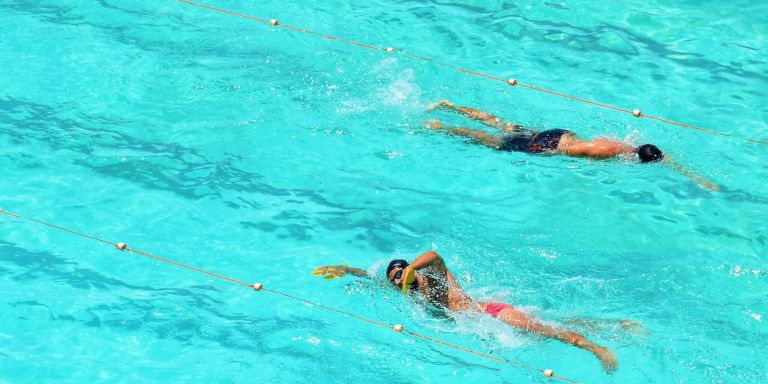


 Swimming is good for kids, and a well-run pool is a safe place for it. The bigger concern for children is chloramines: compounds that form when chlorine reacts with sweat, urine and other body waste. Chloramines are what irritate eyes, skin and airways, and parents can do a lot to keep them down.
This post is general information, not medical advice. Talk with your child’s doctor about asthma, eczema or other health conditions.
What causes red eyes and itchy skin after swimming?
The CDC explains that when chlorine binds with the body waste swimmers bring into the pool, it forms chloramines, which irritate the skin, eyes and respiratory tract. That is why a strong “chlorine” smell at a pool is a sign of more chloramines in the water. Chloramines also move into the air, especially at indoor pools with weak ventilation.
Kids often feel this first, since they tend to spend long stretches in the water with their faces in it. If your child’s skin gets dry or itchy after swimming, our guides to chlorine rash and sensitivity and eczema and pool chlorine cover what helps.
Does swimming as a baby raise the risk of asthma?
The research is mixed, and the two best-known studies point in different directions.
- A 2010 study in the European Respiratory Journal of 430 children found that those who swam in chlorinated pools before age 2 had a higher risk of bronchiolitis, a common lung infection in babies and toddlers (odds ratio 1.68). Children who had bronchiolitis also showed higher risks of asthma and respiratory allergies later in childhood.
- A larger 2011 study of 5,738 children in the Avon Longitudinal Study of Parents and Children found that swimming “did not increase the risk of asthma or allergic symptoms” and was linked to better lung function and lower odds of asthma by age 7.
The larger study found no added risk from swimming, and the CDC points to chloramines as the main irritant. Air and water quality at the pool are the parts parents can do something about.
Four CDC steps to keep kids healthy in the pool
The CDC’s healthy swimming tips for kids are simple:
- Keep kids out of the water if they are sick with diarrhea.
- Don’t let kids swallow pool water.
- Take kids on bathroom breaks every hour.
- Change diapers in a diaper-changing area, away from the water.
The CDC also notes that a quick rinse before swimming removes much of the body waste that forms chloramines. Rinsing off after swimming helps with dry skin too.
How to lower chloramines in your home pool
At home, you control the water. Keeping chlorine at the right level, testing regularly and keeping pH in range all help. Our guide to a low-chlorine pool that’s gentle on skin and eyes walks through the steps.
A supplemental system makes the biggest difference. Clear Comfort’s hydroxyl-based AOP breaks down the contaminants that form chloramines as water circulates, so the pool can run a much lower chlorine residual, typically about 0.5 to 1.5 ppm. Less chlorine and fewer chloramines mean less chlorine smell and less irritation for swimmers.
Frequently asked questions
Is pool chlorine safe for kids?
Properly maintained chlorine levels are what keep pool water safe from germs. Most irritation comes from chloramines, which form when chlorine reacts with body waste, so good habits and good sanitation matter more than avoiding pools.
Why does my child get red eyes after swimming?
The CDC says chloramines, which form when chlorine reacts with body waste, irritate the eyes. A pool with a strong chemical smell is a sign of more chloramines.
Are indoor pools worse for kids with asthma?
Chloramines off-gas into the air, and indoor pools hold that air in, so ventilation matters. If your child has asthma, look for indoor pools without a strong chemical smell and ask your child’s doctor for guidance.
How can I make my home pool gentler on my kids’ skin?
Keep chlorine in range, rinse before and after swimming, and consider a supplemental system such as AOP that lets the pool run on less chlorine. See our home pool systems to learn more.