

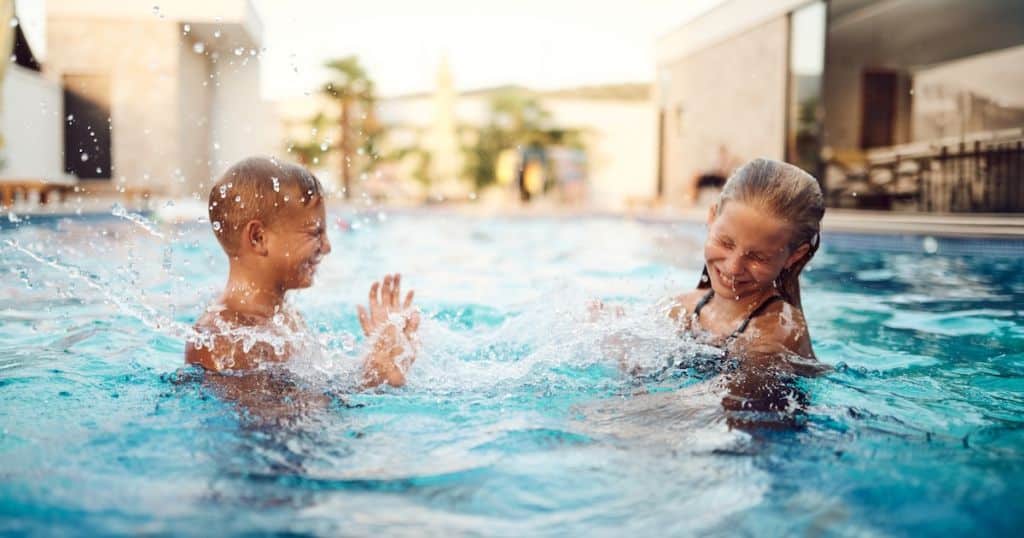
For many families, swimming is one of the best parts of summer – a way to exercise, relax and spend time together. But if you, your friends or kids have sensitive skin, chlorine and other pool chemicals quickly take the fun out of pool time. Itchy red rashes, stinging eyes, and dry hair are real concerns, and they deserve real answers.
The good news? There are practical ways to soothe chlorine rash when it happens – and even better, steps you can take to prevent it from happening in the first place.
What is Chlorine Rash?
Chlorine rash is a type of skin irritation caused by exposure to pool water. It can develop after both a quick dip and a long swim session, and it typically shows up as:
- Red, itchy bumps or patches
- Dry, flaky skin
- Burning or stinging sensations after swimming
While chlorine rash isn’t contagious, it can make the whole family uncomfortable – and leave parents searching for answers.
What Causes Chlorine Rash?
Despite what many people assume, true chlorine allergies are extremely rare. What most swimmers experience is actually irritation from chloramines. These chloramines or combined chlorine are byproducts of chlorine reacting with sweat, sunscreen and body oils in the water.
In addition to causing health issues, these chloramines can be harsh on sensitive skin, eyes and lungs. Chlorine is a strong chemical irritant on its own, and chloramines can make the problem significantly worse.
Here’s why some swimmers develop rashes while others don’t:
- Skin Barrier Disruption: Chlorine strips away the skin’s natural oils, leaving it dry, tight, and prone to irritation.
- Chemical Sensitivity: Some children have extra-sensitive skin that reacts strongly even to small amounts of chlorine or chloramines.
- Prolonged Exposure: The longer you’re in the water, the more chlorine your skin absorbs. Frequent swimmers often notice symptoms building up over time.
- Existing Skin Conditions: Children with eczema, psoriasis or known allergies have a more vulnerable skin barrier and are more susceptible to chlorine rash.
- Chlorine Residue: If chlorine isn’t rinsed off promptly after swimming, it can continue irritating the skin long after leaving the pool.
That’s why two kids can swim in the same pool all afternoon – and one walks away with a rash while the other feels completely fine. It comes down to individual skin sensitivity and overall water quality.
Myth vs. Fact: Chlorine Sensitivity
Before trying any treatment, it helps to understand what’s actually causing the problem.
First Aid for Chlorine Rash
If you or your child comes home from the pool with itchy, irritated skin, these simple remedies can help:
- Rinse immediately. Shower with a gentle, fragrance-free soap right after swimming to remove chlorine residue from skin and hair.
- Moisturize. Apply a hypoallergenic moisturizer or aloe vera gel while skin is still slightly damp to lock in hydration and calm irritation.
- Cool Compress. Press a clean, damp washcloth against the affected area to reduce redness and ease itching.
- Over-the-Counter Relief. A hydrocortisone cream or oral antihistamine can help if irritation persists – always follow your pediatrician’s guidance on dosing for children.
Most chlorine rashes resolve within a day or two with consistent at-home care.
When to See a Doctor
Most chlorine rashes are mild, but it’s worth checking in with your pediatrician or dermatologist if:
- The rash is severe, blistering or painful to the touch
- It spreads beyond areas that were in contact with pool water
- Symptoms don’t improve after 2–3 days of home care
- Your child has a history of eczema, asthma, or allergies and seems especially uncomfortable
- The rash is accompanied by breathing difficulties, swelling, or other concerning symptoms
A professional can help rule out other skin conditions and make sure your child is getting the right care.
How to Prevent Chlorine Irritation Before It Starts
The most effective strategy isn’t treating chlorine rash after it appears – it’s preventing it from the start. Here are simple, family-friendly habits that make a real difference:
- Pre-Swim Rinse: A quick shower before entering the pool helps your skin absorb clean water first, which naturally limits how much chlorinated water it takes in.
- Barrier Protection Lotions: A thin layer of chlorine-protective lotion, coconut oil, or another natural oil can help shield skin from direct chemical contact.
- Well-Fitted Goggles: A quality pair of goggles keeps chlorinated water away from sensitive eyes – especially important for kids.
- Swim Caps: For children with delicate hair or scalps, a swim cap reduces chlorine exposure and dryness significantly.
The Best Long-Term Fix: Upgrade Your Pool Water Quality
Individual habits help – but the most effective way to protect sensitive skin is to improve the pool water itself. Traditional pools use a lot of chlorine. That heavy chemical load can lead to rashes, red eyes, lung irritation and that familiar sharp “pool” smell.
Clear Comfort AOP keeps water crystal-clear and clean through powerful, non-toxic oxidation. This method dramatically cutting the need to add chlorine and salt that cause chloramine buildup. It installs right after your existing chlorine or salt pool system, so no overhaul is needed.
Families who add Clear Comfort AOP pool or spa system often notice:
- Use Less Chlorine and Salt: AOP delivers powerful, non-toxic oxidation that keeps water clean and clear with fewer chemicals.
- Softer, Gentler Water: Families notice that water feels better on skin and hair.
- Sooth Eyes and Breathe Easier: No more harsh “chlorine” smell or eye burn after swimming.
- Support Wellness: AOP technology creates a more natural, spa-like swimming experience with cleaner, clearer and more refreshing water.
- Less Time on Maintenance: AOP works continuously in the background, so you spend less time balancing and upkeep chemicals and more time enjoying your pool.
For wellness-first parents who’ve been searching for a real solution to chlorine sensitivity – not just a workaround – Clear Comfort’s AOP pool systems are worth serious consideration.
Other Pool-Friendly Alternatives
If Clear Comfort AOP pool system or another alternative sanitizer isn’t an option right now, there are still other ways to make your pool gentler on skin and eyes:
- Saltwater Pools: While not chlorine-free, saltwater pools generate chlorine from salt at lower concentrations, which many swimmers find gentler on their skin.
- UV Pool Systems: Ultraviolet light sanitizes water and reduces the amount of chlorine needed to maintain a safe pool.
- Mineral Systems: Mineral-based sanitizers (like silver and copper) can reduce chlorine usage and provide additional protection against bacteria and algae.
Each system has its own pros and cons, but all of them share the same goal: less chemical reliance, and more comfortable swimming for sensitive families.
Chlorine Rash Doesn’t Have to Be Part of Pool Season
Chlorine sensitivity and pool irritation are common, but they’re not unavoidable. Chlorine rash and pool irritation don’t have to stand between your health and the joys of swimming. With the right combination of at-home remedies, smart prevention habits, and healthier pool technology, you can make every swim more comfortable for your family.
Start with the small steps today: encourage pre-swim showers, apply barrier protection and moisturize immediately after swimming. For a more lasting solution, consider upgrading your pool to a chlorine-reducing system like Clear Comfort AOP – a change that brings real comfort, peace of mind, and fewer rashes so your family can focus on what actually matters: making happy poolside memories together.
This content is for informational purposes only and is not intended as medical advice. Always consult your pediatrician or a qualified healthcare provider with questions about your child’s health or skin conditions.

Jessica Werner
Sales Manager