


Study assesses disinfection byproducts exposure in aquatics professionals
As the aquatics industry becomes more aware of the harmful effects of disinfection byproducts (DBPs), concern for
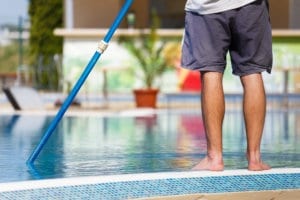
How to Use a Swimming Pool Shock (& What It Is)
Pool shock is a great tool for keeping your pool’s chemistry balanced, and it is the best way to eliminate algae and return you water to pristine condition.
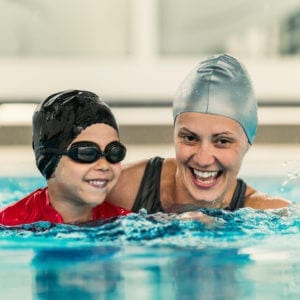
How to Improve Pool Air & Water Quality at Aquatic Facilities
As you look to 2016, what are your goals as an aquatics professional? Perhaps it’s focusing on improving the standard of health and safety for swimmers and staff in your facility, or improving indoor air quality with a cost effective solution, or improving sustainability at your facility.
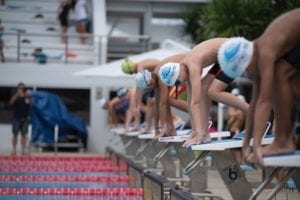
15 New Year’s Resolutions for Swimmers
Here is a list of new year’s resolutions for anyone who swims. As a sports dietitian and a swimming coach, I can not stress enough the importance of each and every one of these resolutions. If you can do each of these things daily, you will be a faster swimmer and a happier person!

UV vs Hydroxyl-Based AOP Pool Disinfection: A Comparison for Aquatics Professionals
To assist aquatics professionals and commercial pool service professionals in understanding the differences between UV and hydroxyl-based advanced oxidation, in the discussion below I provide a comparison of the technologies.
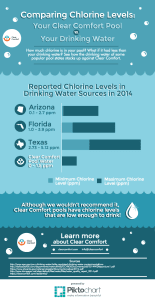
Comparing chlorine levels: your Clear Comfort pool vs. your drinking water [Infographic]
The United States Environmental Protection Agency (EPA) reported that the maximum level of residual chlorine safe for drinking water is 4 parts per million (PPM). In contrast, the chlorine levels in a Clear Comfort home pool can range between just 0 to 1.15 ppm.