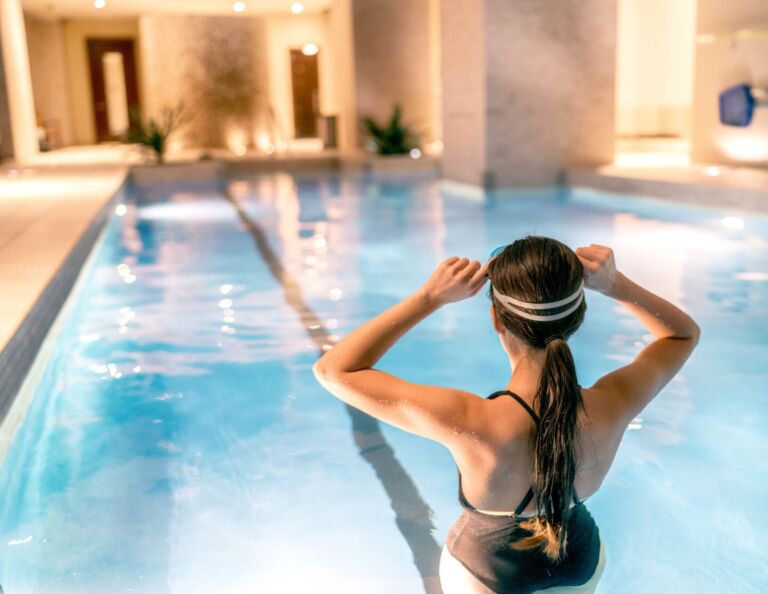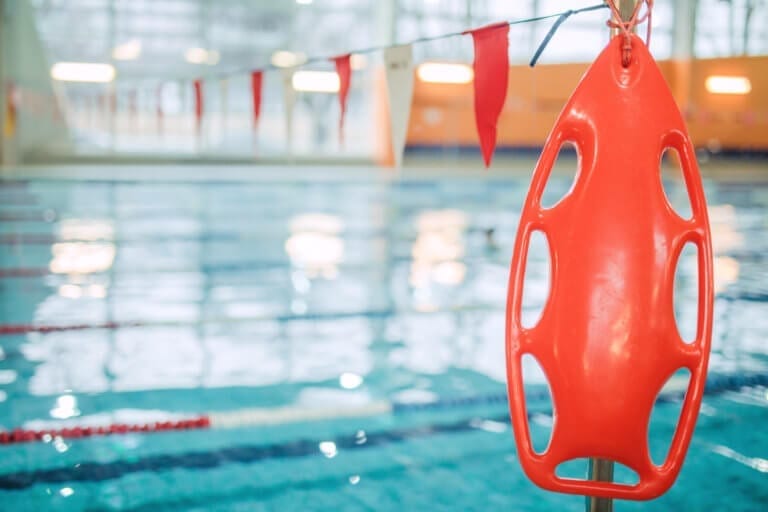


 Elite swimmers have some of the highest rates of asthma and airway hyperresponsiveness in sport: more than 17% of Olympic swimmers, about twice the rate seen across Olympic athletes as a whole. Researchers point to two things working together: years of high-volume endurance training and long hours breathing the air just above chlorinated pool water, where disinfection byproducts collect.
How common is asthma in Olympic swimmers?
A review of medical data from five Olympic Games (2002 to 2010), published by Kenneth Fitch in the British Journal of Sports Medicine in 2012, found asthma or airway hyperresponsiveness in about 8% of Olympic athletes, making it the most common chronic condition at the Games. Rates were much higher in endurance sports.
Swimmers stand out even among endurance athletes. A 2025 review in Frontiers in Physiology, drawing on the same Olympic data, reports that over 17% of Olympic swimmers and 13% of synchronized swimmers have asthma or airway hyperresponsiveness. A 2015 study in the Journal of Allergy and Clinical Immunology by Margo Mountjoy and colleagues looked at aquatic athletes at major events from 2004 to 2009 and found that swimming had the highest rate of any aquatic discipline. Swimming, synchronized swimming and open water swimming all ranked among the top 5 Olympic sports for asthma.
Why are swimmers more likely to develop asthma?
Two factors show up again and again in the research:
- Training load: elite swimmers breathe hard for hours a day, year after year. The 2025 Frontiers review notes that heavy endurance training stresses the lining of the airways and can lead to inflammation.
- Pool air: the same review concludes that chlorine byproducts are primarily responsible for swimming pool rhinitis, asthma and airway hyperresponsiveness in swimmers, and that exposure can disrupt the airway’s protective barrier.
Competitive swimmers get a heavy dose of both, because they breathe hard for hours at a time right at the water’s surface.
Does indoor pool air make swimmers’ asthma worse?
Indoor pool air quality matters. The CDC explains that chlorine binds to sweat, urine and other waste swimmers bring into the water and forms chloramines, which off-gas into the air and irritate the eyes, skin and respiratory tract. CDC adds that airborne chloramines are more common in indoor pools with weaker ventilation.
People who spend long hours on the pool deck feel it too. A 2007 study in the European Respiratory Journal of 624 indoor pool workers in the Netherlands found that workers with higher chloramine exposure reported upper respiratory symptoms more often, and swimming instructors had about 2.4 times the odds of sinusitis compared with administrative, catering and reception staff.
Does swimmers’ asthma go away after retiring from competition?
It can improve. The 2025 Frontiers review reports that airway hyperresponsiveness decreases after swimmers stop professional training, which supports the idea that heavy training in pool air drives much of the problem. Anyone with ongoing symptoms should still be evaluated and treated by a doctor, since asthma can persist.
Should people with asthma avoid swimming?
Not necessarily. The evidence for recreational swimmers is reassuring. A Cochrane review published in 2013 pooled 8 studies with 262 children and teens with stable asthma. Swimming training improved fitness, slightly improved lung function and showed no evidence of worsening asthma control, though the authors note the data are limited.
The higher rates seen in elite swimmers come from training volumes and exposure far beyond a few laps a week. If you have asthma, talk with your doctor about your plan, and choose well-ventilated pools when you can. For more on children, see what parents should know about pool chlorine and kids.
What can swimmers and coaches do to protect their lungs?
- Get checked: swimmers with a chronic cough, wheezing or shortness of breath during or after practice should see a doctor for testing rather than training through it.
- Shower before swimming: the CDC says a quick rinse removes much of the body waste that helps form chloramines in the first place.
- Use the bathroom before getting in and wear a swim cap, both of which CDC recommends to keep waste out of the water.
- Speak up about air quality: a strong “chlorine” smell on the pool deck usually means chloramines in the air, which is worth reporting to the facility.
How do you get rid of chloramines and chlorine smell at an indoor pool?
Indoor facilities reduce chloramines by keeping waste out of the water, removing the byproducts that do form, and moving them out of the air. CDC guidance for operators includes bringing in fresh outdoor air, working with air handling specialists, monitoring combined chlorine, and treating the water when combined chlorine runs high. Encouraging every swimmer to shower first lowers the load at the source.
Supplemental treatment can help with the removal step. Clear Comfort’s hydroxyl-based AOP works alongside a low chlorine residual to break down chloramines and other byproducts. In Clear Comfort’s commercial case studies, chloramines and other disinfection byproducts dropped by 50% to 90%, with results varying by site. In one YMCA pool, for example, total trihalomethanes were 84.8% lower after installation, based on water samples taken in March and June 2015 and analyzed by the University of Colorado Boulder. For a full operator guide, see how to reduce chloramines in commercial pools and how pool disinfection byproducts affect asthma and allergies.
Frequently asked questions
What is swimmer’s asthma?
“Swimmer’s asthma” is an informal name for asthma or airway hyperresponsiveness that develops or worsens in competitive swimmers. Research links it to years of intense endurance training combined with breathing chlorine byproducts in pool air. Symptoms include coughing, wheezing and shortness of breath during or after training.
How many Olympic swimmers have asthma?
A 2025 review in Frontiers in Physiology, drawing on Olympic medical data, reports that over 17% of Olympic swimmers have asthma or airway hyperresponsiveness. That is about twice the rate of roughly 8% found across all Olympic athletes in a 2012 analysis of five Games.
Does chlorine cause asthma in swimmers?
The main suspect is chlorine byproducts in pool air. A 2025 review concluded that these byproducts are primarily responsible for pool-related asthma and airway hyperresponsiveness in swimmers, alongside the strain of heavy endurance training. Better ventilation and fewer byproducts in the water reduce exposure.
Is swimming good or bad for kids with asthma?
For most children with stable asthma, swimming appears to be safe and helpful. A 2013 Cochrane review of 8 studies found that swimming training improved fitness and slightly improved lung function without worsening asthma control. Parents should follow their child’s asthma plan and check with their doctor.
Why do indoor pools smell so strongly of chlorine?
The CDC says that a strong “chlorine” smell at a pool is usually chloramines, which form when chlorine reacts with sweat, urine and dirt from swimmers. These byproducts build up more in indoor pools with weaker ventilation. A strong smell means the pool needs better air handling and byproduct control.
This article is for general information and is not medical advice. Talk with a doctor about asthma symptoms or treatment.
Run an aquatic facility? See how Clear Comfort helps commercial pools keep air and water fresher.